Former Afreximbank president challenges African leaders to turn global economic shocks into opportunities for industrialisation, self-reliance and sustainable growth.
By Victoria Tokolo
Former President and Chairman of the Board of Directors of the African Export-Import Bank (Afreximbank), Professor Benedict Oramah, has challenged African leaders to rethink the continent’s economic development strategy, declaring that global economic disruptions should become catalysts for industrialisation, economic independence and sustainable growth.
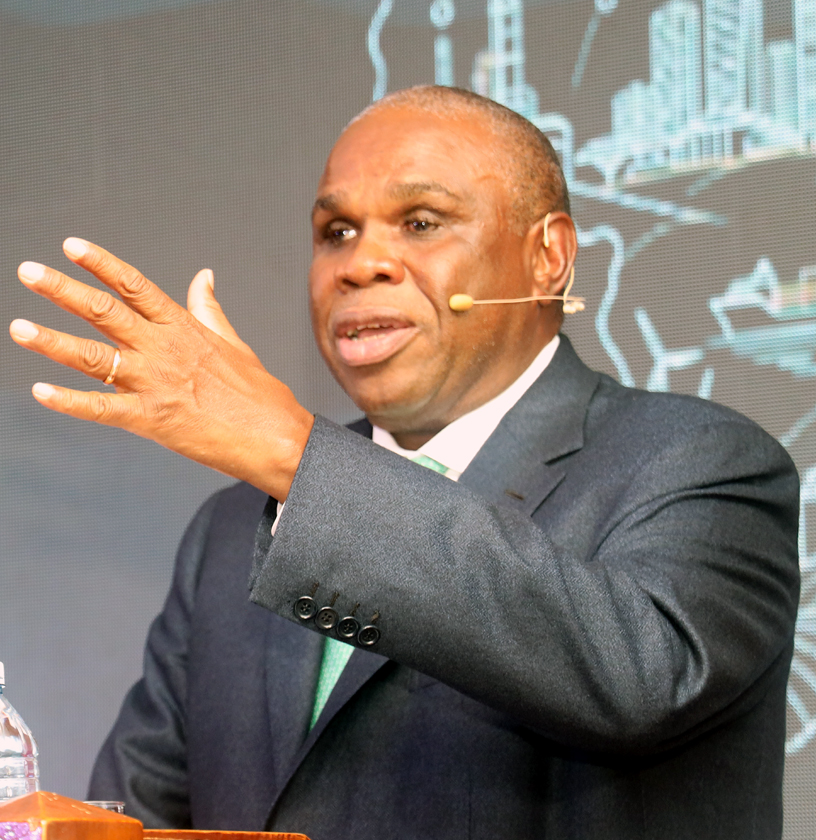
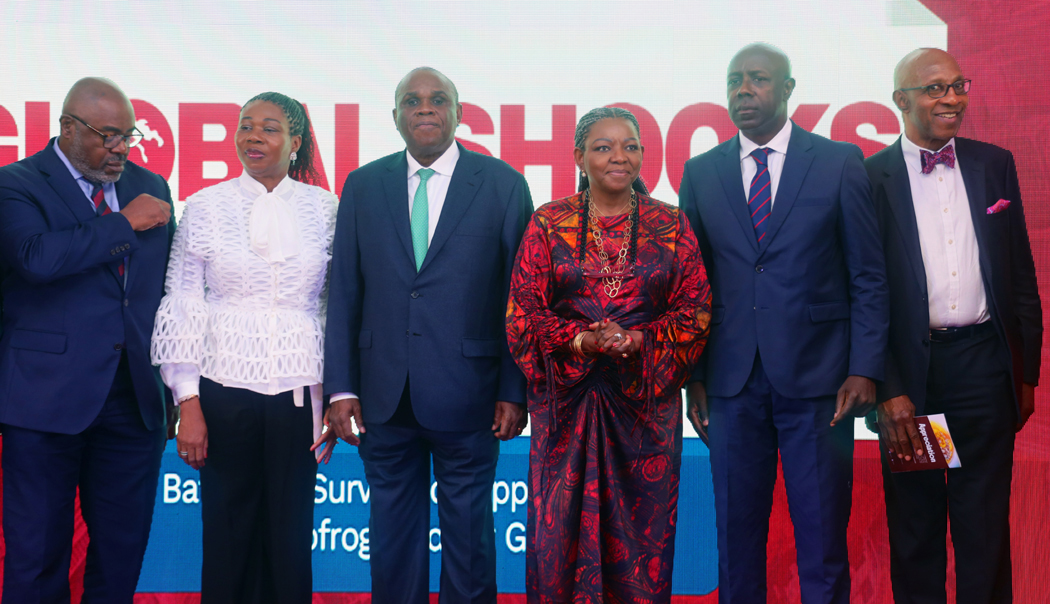
Oramah, who delivered the keynote address at the 20th AELEX Annual Lecture in Lagos, said Africa must abandon excessive dependence on external economic models and begin to harness its resources, financial institutions, technology and industrial capacity to build resilient economies.
The lecture, themed “Global Shocks, Local Impact: Battle for Survival or Opportunities to Leapfrog and Grow,” provided a platform for examining how African economies could turn global uncertainties into opportunities for accelerated development.
According to Oramah, economic independence cannot be achieved without deliberate investments in local financial institutions, domestic industries, technology and regional economic cooperation.
He noted that African multilateral financial institutions collectively control more than $400bn in assets, while African-owned commercial banks continue to expand their operations across the continent.
He also identified the Pan-African Payment and Settlement System (PAPSS) as an important milestone in Africa’s efforts to reduce dependence on external financial systems and promote trade among African countries.
The former Afreximbank president advocated what he described as an African best-practice approach, arguing that the continent must develop solutions suited to its economic realities rather than blindly replicate foreign development models.
To reinforce his argument, Oramah cited Asia’s experience, particularly the Chiang Mai Initiative, a regional financial arrangement with a $240bn financing capacity, as an example of how countries can strengthen their economic resilience through collective action and financial cooperation.
He also pointed to South Korea’s industrialisation strategy, noting that its decision to invest heavily in industrial development, even during difficult economic periods, contributed significantly to its economic transformation.
On technological advancement, Oramah said emerging technologies, particularly artificial intelligence, presented Africa with an opportunity to leapfrog traditional stages of development.
He warned that the continent could remain trapped at the bottom of global technology value chains if it continued exporting raw materials without investing in local processing, innovation and digital infrastructure.
Using Nigeria’s Dangote Refinery as an example, he stressed that investments in domestic industrial capacity were essential to reducing exposure to external economic shocks and disruptions in global supply chains.
Nigeria must prioritise growth
Addressing Nigeria’s economic situation, Oramah said recent reforms, including foreign exchange liberalisation and petroleum sector deregulation, had provided a foundation for economic stabilisation.
He, however, urged the government to move beyond stabilisation measures and concentrate on policies that would stimulate economic growth, encourage private investment, expand businesses and improve living standards.
On capital flight, he argued that restoring confidence in the Nigerian economy through exchange rate stability, predictable government policies and appropriate investment incentives would encourage individuals and businesses to bring funds held abroad back into the country.
He also proposed specialised diaspora investment accounts, supported by appropriate guarantees, as a strategy for attracting foreign currency savings into the domestic economy.
Africa must move beyond surviving global shocks
Earlier, the Lecture Chair, Mrs Bola Adesola of Ecobank Nigeria Limited, said the greatest danger posed by global economic shocks was their ability to expose longstanding structural weaknesses in African economies.
She said Nigeria must move beyond its dependence on external developments and deliberately transform its natural resources, human capital and entrepreneurial strengths into productive economic capacity.
Adesola emphasised the importance of effective leadership, institutional accountability, technology investment, resilient supply chains and comprehensive business continuity plans in cushioning the impact of global disruptions.
She maintained that Africa’s ambition should not be limited to surviving economic shocks but should focus on turning them into opportunities for transformation and accelerated development.
Also speaking, AELEX Partner, Professor Fubara Anga, SAN, said the annual lecture was established to provide a platform for engaging critical national and global issues, influencing policy discussions and strengthening institutions.
He explained that the choice of this year’s theme reflected growing concerns about the pace of global disruptions and the need for Nigeria to position itself to benefit from emerging economic opportunities.
Another partner of the firm, Theophilus Emuwa, said the lecture underscored the fact that Africa possessed the resources and opportunities required for development but needed the political commitment and institutional will to translate them into measurable results.
He assured that the firm would continue exploring ways to communicate the lecture’s recommendations to policymakers and business leaders to encourage practical implementation.
The AELEX Annual Lecture, now in its 20th edition, brings together policymakers, bankers, business executives, legal practitioners and other stakeholders to deliberate on critical issues shaping economic development, governance and institutional growth.