By Victoria Tokolo
Nigeria and South Korea are seeking to deepen bilateral relations through increased cultural cooperation and investment in the creative economy, with a focus on boosting trade, generating employment and driving sustainable economic development.
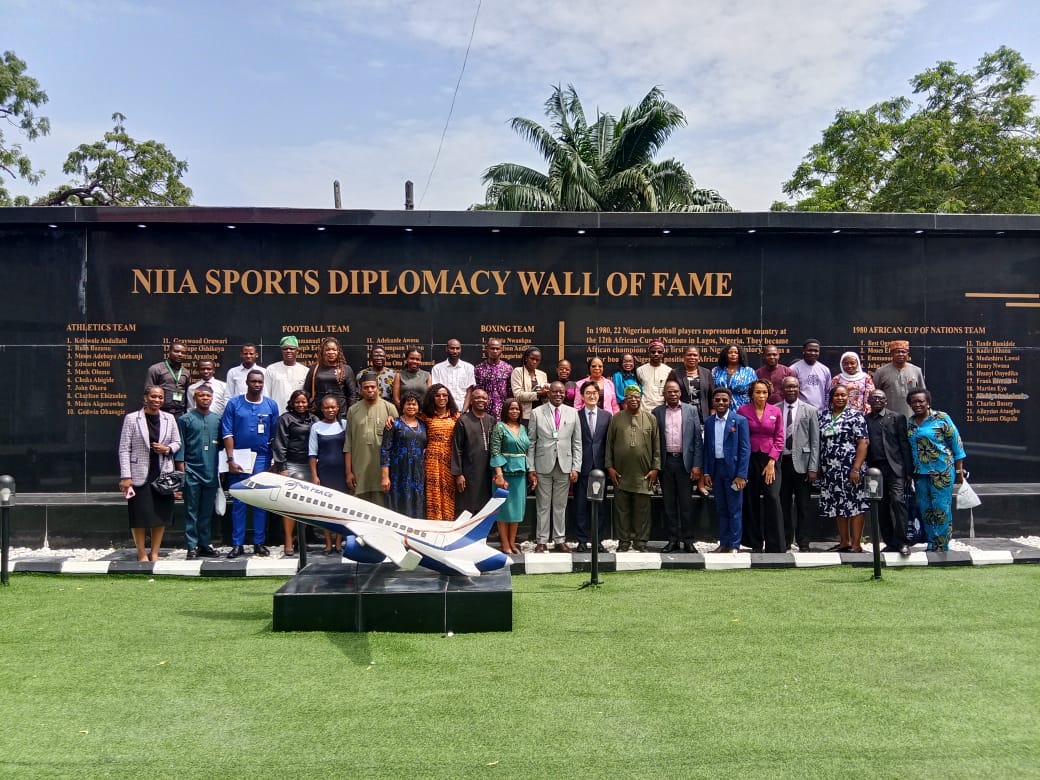
The call was made at a joint seminar organised by the Embassy of the Republic of Korea and the Nigerian Institute of International Affairs (NIIA) in Lagos, themed, “From Soft Power to Shared Prosperity: Korea-Nigeria Cultural Cooperation and the Creative Economy.”
Speaking at the event, Director-General of the NIIA, Prof. Eghosa Osaghae, disclosed that trade between Nigeria and South Korea had exceeded $1.1 billion, but stressed the need to address the existing trade imbalance through increased South Korean investment in Nigeria’s manufacturing and industrial sectors.
He observed that while Nigeria largely exports raw materials to South Korea, the Asian country exports finished and manufactured products to Nigeria.
Osaghae therefore urged South Korea to invest in Nigeria’s industrial hubs, facilitate technology transfer and support local production, noting that such partnerships would create jobs, strengthen domestic industries and improve the country’s economic prospects.
He also identified Nollywood, Nigerian music and South Korean entertainment as powerful platforms for strengthening cultural relations, encouraging creative collaborations and promoting people-to-people exchanges.
In a prerecorded address, South Korean Ambassador to Nigeria, Jeong Yo-an, said cultural cooperation between both countries should go beyond diplomatic relations to deliver tangible economic benefits through job creation, business opportunities, skills development and shared prosperity.
The ambassador disclosed that South Korea’s content exports reached a record $14.9 billion in 2025, attributing the growth to sustained government investment in infrastructure, intellectual property protection, financing and skills development.
He noted that Nigeria’s creative economy, which contributes approximately 2.6 per cent to the country’s Gross Domestic Product (GDP), holds significant potential for employment generation, wealth creation and international recognition.
Jeong called for stronger copyright protection, improved infrastructure and increased access to funding to enable Nigerian creatives to maximise opportunities in the global creative industry.
Highlighting areas of potential collaboration, he identified film production, music, fashion and cosmetics as sectors where both countries could develop mutually beneficial partnerships.
He particularly proposed combining Nigeria’s abundant shea butter resources with South Korea’s technological expertise to promote local manufacturing and expand opportunities in the cosmetics industry.
According to him, Nigeria and South Korea must move beyond their traditional areas of cooperation, particularly oil, gas and construction, towards partnerships driven by artists, entrepreneurs, designers and students.
Also speaking, Prof. Femi Otubanjo of the NIIA’s Political Science Department disclosed that plans were underway to expand the joint seminar series to twice yearly in 2027, with the possibility of making it a quarterly engagement.
He described cultural cooperation as a strategic instrument for strengthening international relations, promoting national identity and stimulating economic development.
Otubanjo also advocated increased cultural exchanges between Nigeria and South Korea, observing that despite the popularity of South Korean technology brands in Nigeria and the global success of Nigerian musicians, cultural engagement between the two countries remained relatively limited.
He stressed the need to bridge this gap through sustained dialogue, creative partnerships and initiatives that would encourage greater interaction between citizens of both countries.
The proposed expansion of the seminar series is expected to provide a stronger platform for policy dialogue, investment discussions and collaboration between stakeholders in Nigeria’s and South Korea’s cultural and creative industries.
Ultimately, stronger cooperation in the creative economy could open new economic opportunities for both countries while transforming their cultural influence into sustainable trade, investment and shared prosperity.