By Abiodun JIMOH
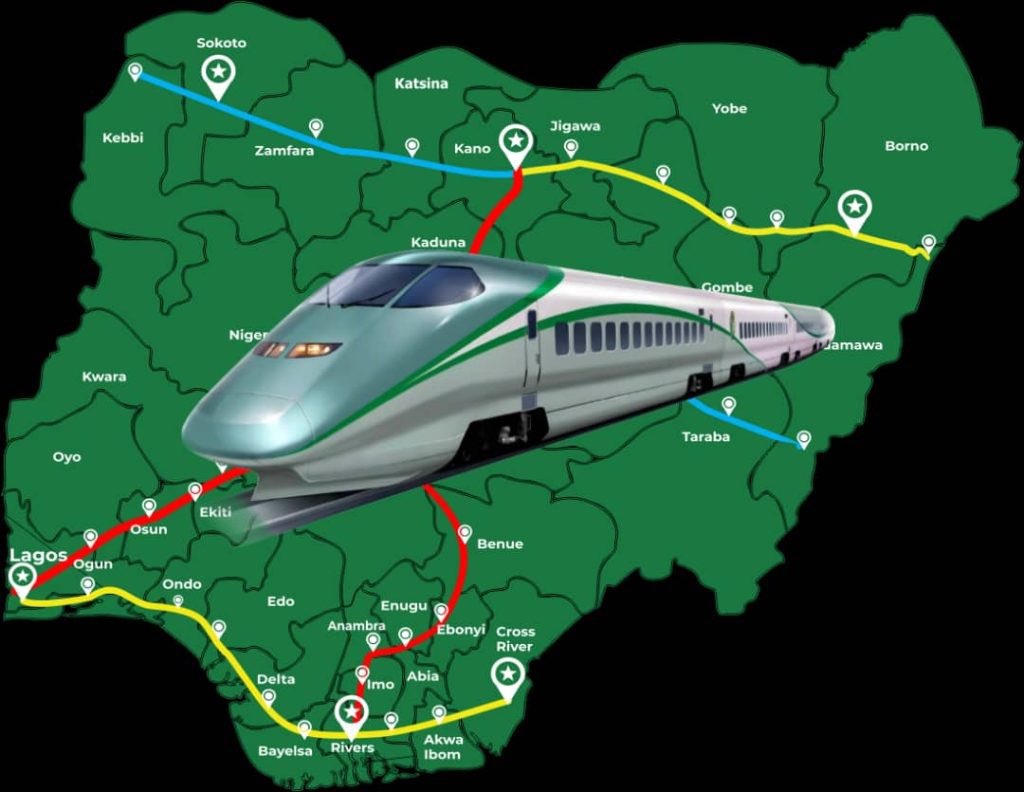
Nigeria has announced an ambitious $60 billion high-speed rail project aimed at connecting Lagos, Abuja, Kano, and Port Harcourt, with the first phase covering 1,600 kilometres expected to be completed within 36 months.
The project, a collaboration between De-Sadel Nigeria Limited and China’s Liangai Corporation, is backed by proof-of-funds submitted to the Infrastructure Concession Regulatory Commission (ICRC), which approved its Outline Business Case in August 2025.
Officials, including the Secretary to the Government of the Federation and the Minister of Transportation, described the project as a transformative initiative that will modernise intercity travel, boost economic activity, and create thousands of jobs across industrial and agricultural corridors. The rail system is expected to integrate gas-fuelled technology, aiming to improve efficiency while supporting broader power and transport infrastructure development.
Despite the enthusiasm, experts caution that the project faces significant challenges. Key details around funding verification, land acquisition, technical readiness, and partner experience remain unclear. Analysts also warn that delivering such a vast infrastructure project within three years will require exceptional planning, strict oversight, and robust risk management to avoid delays or cost overruns.
If successfully implemented, the high-speed rail could redefine Nigeria’s transport network, cut travel times dramatically, and strengthen regional connectivity. However, stakeholders stress that transparency, careful project execution, and accountability will be critical to turning the $60 billion vision into reality rather than a symbolic announcement.
–