By Umar Akilu Majeri
No fewer than 182 rural communities in Jigawa State are set to benefit from new water facilities, with an estimated 180,000 people and their livestock expected to gain access to clean and safe water.
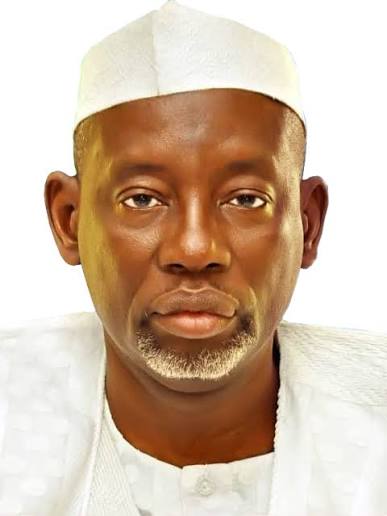
The Managing Director of the Jigawa State Rural Water Supply and Sanitation Agency, Engr. Abubakar Sidi, disclosed this in an interview with journalists at his office in Shuwarin, Kiyawa Local Government Area of the state.
Sidi said the initiative was part of the state government’s efforts to improve access to potable water, particularly in hard-to-reach communities where residents face persistent water shortages.
According to him, the programme is also aimed at improving public health by reducing dependence on traditional wells, where residents often use buckets to draw water, potentially exposing themselves to contamination and waterborne diseases.
He explained that the planned facilities would be located in communities identified as having urgent water needs.
The managing director stressed that the construction of additional water facilities should not be viewed as an indication that the government had failed to provide adequate water infrastructure, noting that water supply was a continuous process that must respond to population growth and changing community needs.
“As the population increases, people’s needs also increase, and the government must continue to expand its water supply systems to meet those needs,” he said.
Sidi expressed concern over water challenges in eight local government areas, attributing some of the difficulties to problems associated with accessing underground water sources.
He identified Dutse, Birnin Kudu, Buji, Sule Tankarkar, Kafin Hausa and Maigatari among areas affected, while assuring residents that the government was exploring alternative sources of clean water.
He said about 40 per cent of Jigawa’s population lives in rural areas, with many residents facing water shortages.
According to him, some of the affected communities are located in remote areas without motorable roads, making access to basic services particularly difficult.
He said the government had consequently intensified efforts to provide water infrastructure in such communities to reduce the hardship faced by residents.
On existing water infrastructure, Sidi said Jigawa had inherited facilities from previous administrations, while the current administration had added new projects.
He disclosed that approximately 70,000 water facilities had so far been provided and were being used by residents across the state.
The agency is also responding to the impact of flooding on water infrastructure, particularly facilities located in primary schools.
Sidi said 10 water facilities had so far been identified as having been affected by flooding, adding that workers had been deployed to isolate the affected facilities and prevent residents from consuming contaminated water.
He commended Governor Umar Namadi for what he described as the state’s preparedness following warnings from the National Emergency Management Agency (NEMA) over possible flooding in parts of the country, including Jigawa.
According to him, the government had procured emergency relief materials and medicines as part of measures to protect residents in the event of flooding.
Sidi further disclosed that 17 communities had been selected for the construction of additional water facilities, with ₦439 million earmarked for the projects.
He added that the government also plans to construct 37 major water facilities and upgrade them from systems dependent on traditional water sources to solar-powered water supply stations.
The managing director said the government had stocked relief materials for possible flood victims, with 1,000 cartons currently available, while UNICEF had provided another 1,000 cartons to support communities affected by flooding.
Sidi expressed optimism that the completion of the 182 water projects would significantly improve access to potable water across the beneficiary communities and provide relief to about 180,000 people and their livestock.