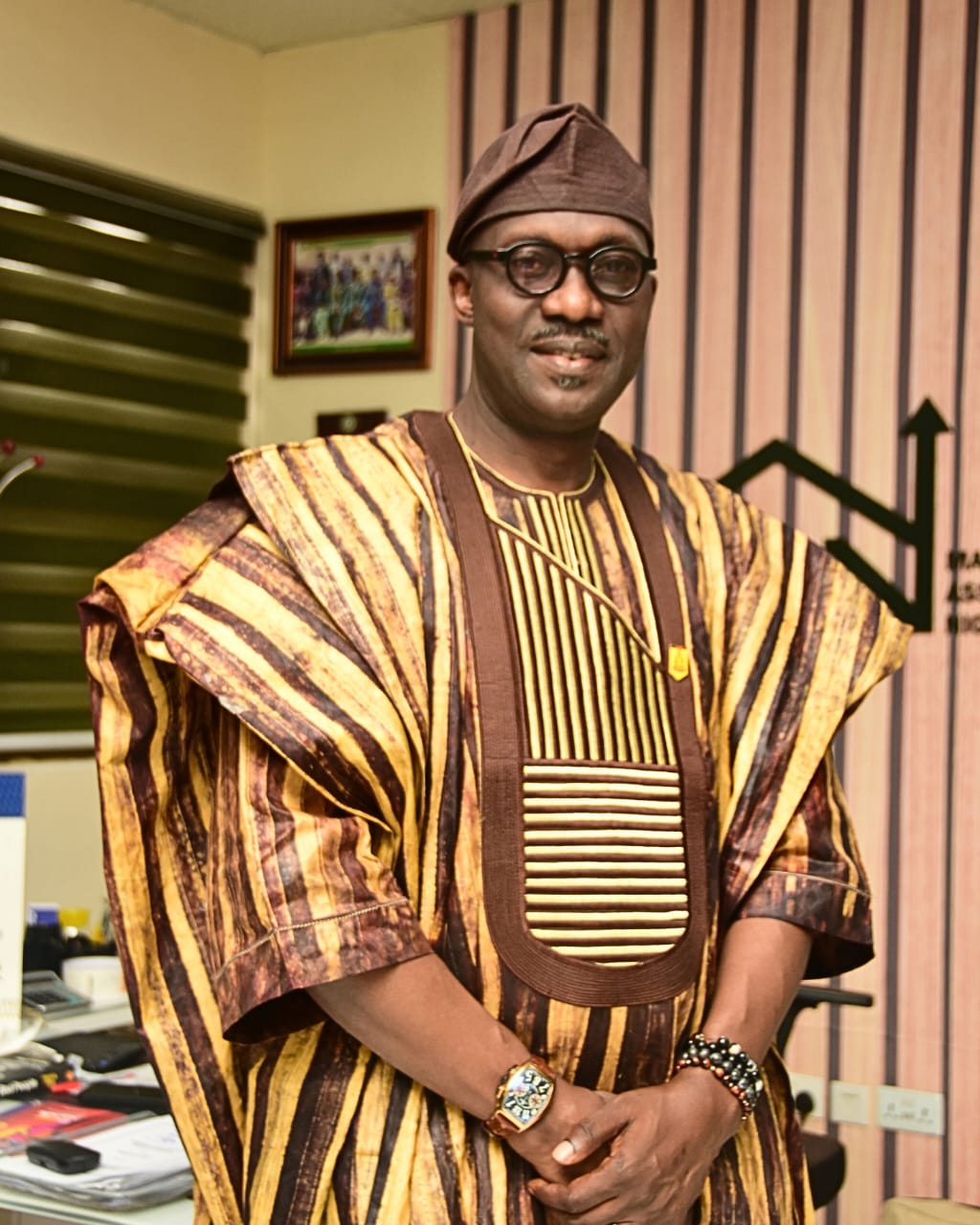
The Manufacturers Association of Nigeria has warned the federal government against implementing tax reforms in ways that could weaken businesses, discourage investment and undermine the productive capacity of the economy.
The Director-General of MAN, Segun Ajayi-Kadir, gave the warning at the 2026 National Annual Workshop and Awards of the Commerce and Industry Correspondents Association of Nigeria in Lagos.
Speaking on the theme, “Fate of Nigerian Manufacturers in the New Tax Regime and Implications of Mandatory Environmental, Social and Governance on Nigeria’s Business Climate Ahead of the 2030 Deadline,” Ajayi-Kadir said the success of the tax reforms would depend largely on their predictability, transparency and consistency.
He said manufacturers were not opposed to taxation, stressing, however, that government must ensure that tax policies did not destroy the businesses from which tax revenue was generated.
Ajayi-Kadir said, “The seed must be protected while the fruit is taxed.”
He explained that tax policy should preserve the capital and productive capacity of businesses so that they could continue to generate income, create jobs and contribute sustainably to government revenue.
The MAN DG disclosed that the association participated actively in the formulation of the new tax laws and made contributions aimed at ensuring that the reforms benefited the productive sector.
While supporting efforts to modernise tax administration and improve revenue mobilisation, he expressed concern over the retrospective application of the 2025 Nigeria Tax Laws.
He said, “Tax reform should encourage enterprise, compliance and investment—not create fresh uncertainty or impose unintended burdens on businesses.”
Ajayi-Kadir also raised concerns over outstanding foreign exchange forward obligations, warning that the failure to honour valid contractual commitments had inflicted significant financial losses on manufacturers and damaged investor confidence.
He urged the government to urgently address the issue, stressing that the credibility of government policies was critical to attracting and retaining investment.
On Environmental, Social and Governance requirements, the MAN boss said manufacturers supported sustainable production but warned against imposing foreign ESG standards on Nigerian businesses without taking local realities into consideration.
He called for realistic transition periods, clear regulatory guidelines, technical support, affordable financing and incentives, particularly for small and medium-sized manufacturers.
According to him, ESG compliance should promote industrial competitiveness rather than drive businesses out of production.
Ajayi-Kadir disclosed that MAN had established a Green Manufacturing Unit to assist members in adopting sustainable production practices.
He added that the association was also implementing initiatives focused on industrial energy efficiency, resource optimisation and cleaner production.
The MAN DG said properly supported sustainability measures could help manufacturers cut costs, reduce waste, improve efficiency and gain access to emerging markets.
He, however, warned that ESG requirements must be designed around Nigeria’s infrastructure, industrial capacity and economic realities.
Ajayi-Kadir also challenged the media to scrutinise the economic programmes of politicians ahead of the next electoral cycle.
He urged journalists, particularly commerce and industry correspondents, to demand concrete commitments from political candidates on infrastructure, energy, local production and the overall business environment.
He said Nigerians deserved clear and measurable plans for strengthening the productive sector and promoting Made-in-Nigeria products.
“The media must ensure that issues affecting the real sector remain prominent in national conversations and that manufacturers’ perspectives are adequately represented,” he stated.
Ajayi-Kadir commended CICAN for consistently placing manufacturing and business issues on the national agenda and reaffirmed MAN’s commitment to working with government and other stakeholders to build a competitive and sustainable manufacturing sector.
He also congratulated the award recipients and urged journalists to maintain professionalism, responsible reporting and balanced coverage of economic issues.