Stakeholders identify insecurity, declining public trust and disinformation as major threats to credible polls
Experts, electoral stakeholders and representatives of regional organisations have identified insecurity, declining public confidence in electoral institutions and misinformation as major threats to Nigeria’s 2027 general elections.
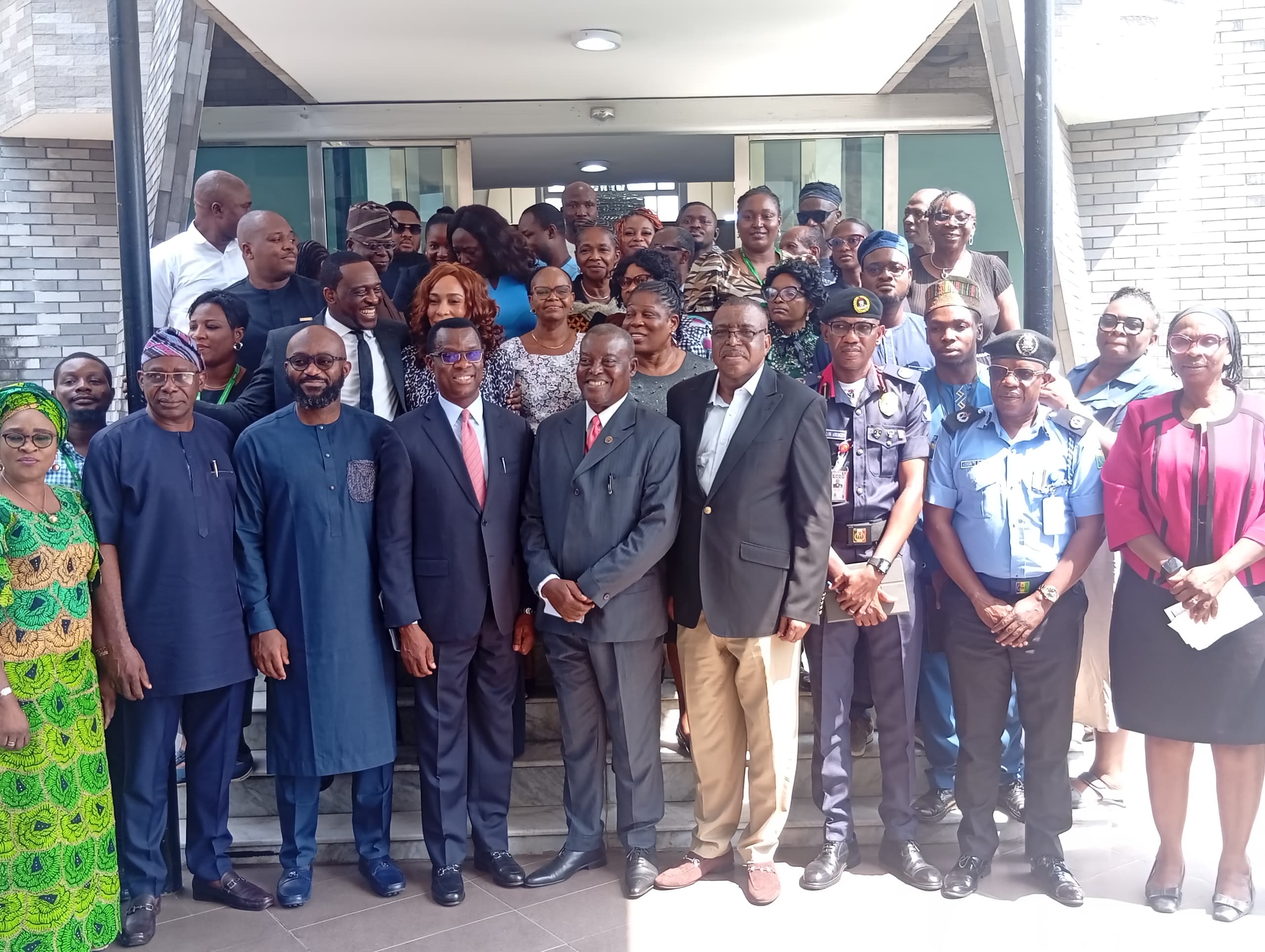
They spoke at a stakeholders’ conference with the theme, “Nigeria’s 2027 Elections: Security Threats and Pathways to National Stability, organised by the General Leo Irabor Early Warning Centre at the Nigerian Institute of International Affairs (NIIA), Lagos.
The conference aimed to strengthen collaboration among electoral institutions, security agencies, political parties, civil society organisations and the media to identify early warning signs and prevent electoral violence.
Speaking at his opening remark, the NIIA Director-General, Prof. Eghosa Osaghae, said elections should not be treated as warfare, stressing the need to create an environment where citizens could vote without fear or intimidation.
He said electoral violence, voter migration and insecurity had become recurring features of Nigeria’s elections, adding that the country must address the factors discouraging citizens from participating in the electoral process.
Osaghae said the conference would complement the efforts of the Independent National Electoral Commission (INEC) by providing a platform for stakeholders to identify security threats and develop practical solutions.
He added that credible elections were a collective responsibility, warning that failure to ensure a peaceful and legitimate process would amount to a collective failure.
Guest speaker and Chief Executive Officer of Yiaga Africa, Samson Itodo, identified three major challenges facing the 2027 elections as a crisis of public trust, multidimensional insecurity and declining confidence in electoral institutions.
Citing Yiaga Africa’s voting intention survey, Itodo said public confidence in INEC’s ability to conduct credible elections declined from 45 per cent in December 2025 to 34 per cent in September 2026.
He also cited Afrobarometer findings indicating that only 37 per cent of Nigerians expected the 2027 elections to be free and fair, while 79 per cent expressed concerns about valid votes being counted and 78 per cent feared that election results could be manipulated.
Itodo said misinformation and disinformation were also major threats, noting that the National Peace Committee documented 126 violations of the National Peace Accord between August 19 and November 5, with misinformation and disinformation accounting for about 24 to 25 per cent.
He warned that fabricated documents, manipulated videos, artificial intelligence-generated content and misleading political claims could undermine public confidence in the electoral process.
According to him, the integrity of Nigeria’s information environment has become a national security concern ahead of the elections.
Itodo also cited insecurity across the country, saying 5,272 people were killed between January and May 2026, while thousands were reportedly kidnapped within the period covered by the data he presented.
He said 42 per cent of respondents in a survey indicated that although they were willing to vote, fear of violence could prevent them from doing so.
The Yiaga Africa chief urged Nigerians to resist election manipulation through peaceful participation, documentation of electoral violations and accountability, rather than violence.
He warned that the pre-election environment had already been weakened by political violence, restrictions on political participation and alleged electoral manipulation, but said stakeholders could still prevent further deterioration.
In her remarks, Kgothatso Xulu, South African Consul for Political Affairs, urged Nigerians to participate in the elections and called for a peaceful, transparent, free and fair process.
She said South Africa supported Nigeria’s democratic development and hoped the country would demonstrate that democracy could thrive through credible elections.
Similarly, a representative of the Economic Community of West African States (ECOWAS), Fifatin Grace Kpohazounde, said the regional body had identified electoral security as a major concern during its pre-election assessment mission to Nigeria.
She said the mission observed progress in strengthening the country’s electoral framework and institutional preparedness but called on political actors to avoid inflammatory statements, intimidation and actions capable of undermining public confidence.
Kpohazounde said ECOWAS would consider deploying a substantial electoral mission to Nigeria, with particular attention to preventive diplomacy and the prevention of electoral violence.
A former INEC National Commissioner, Mike Igini, said security agencies must take responsibility for protecting the electoral process, stressing that election security was not the commission’s mandate.
He called on security agencies to discharge their responsibilities professionally and ensure that Nigerians could vote without intimidation or fear.
Igini warned that electoral violence could undermine democracy and trigger displacement and instability, urging stakeholders to defend the rule of law and ensure that votes counted.
Meanwhile, INEC’s Lagos State Administrative Secretary, Mrs. Adenike Tadese, said declining public trust, misinformation, insecurity and technological challenges required urgent attention ahead of the elections.
She stressed that electoral integrity went beyond election-day activities, adding that citizens must have confidence that their votes would count.
Tadese also called for stronger engagement between INEC and political parties, improved protection of the electoral information environment and effective mechanisms for addressing post-election grievances.
She warned that unresolved grievances after elections could trigger violence, citing the 2011 post-election crisis as a lesson on the consequences of disputed electoral outcomes.
An INEC representative, while outlining the commission’s preparations, said its activities were guided by transparency, impartiality, accountability and credibility.
The representative said nine of the 14 activities on the 2027 general election timetable had been completed, with further preparations ongoing.
The representative also highlighted the commission’s efforts to improve electoral technology and operational processes.
Also speaking at the stakeholder’s 2027 elections conference, Prof. Femi Otubanjo, a prof of political science of the NIIA said improvements in electoral technology and operational procedures could strengthen election management, but stressed that INEC should not be held responsible for security failures outside its statutory mandate.
He urged political parties and their supporters to avoid provocative campaigns and inflammatory statements capable of inciting violence.
The stakeholders called for stronger inter-agency collaboration, timely intelligence sharing, professional conduct by security personnel, improved voter confidence and measures to tackle misinformation before, during and after the 2027 elections.