By Umar Akilu Majeri, Dutse
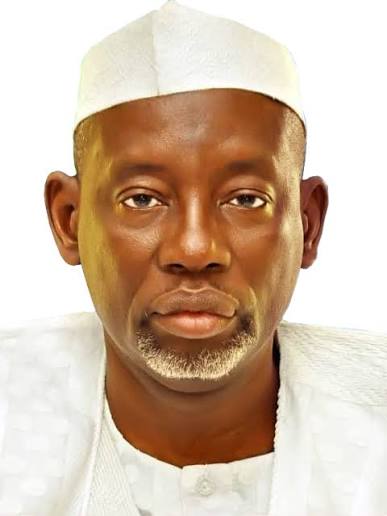
Governor Umar Namadi has emerged as a defining force in the evolution of politics in Jigawa State, earning recognition as a symbol of political progress through his emphasis on inclusive governance and grassroots development.
Widely regarded as a bridge builder, Namadi has cultivated strong ties across diverse segments of society—ranging from political elders and traditional institutions to religious leaders and business communities. His background as a former Commissioner of Finance has further strengthened his credibility, positioning him as a leader with both administrative experience and economic insight.
Since assuming office, his administration has prioritized social welfare and economic support, particularly for farmers and vulnerable groups. Thousands of residents have benefited from agricultural loans and palliative initiatives, including the large-scale distribution of food items across all 27 local government areas during periods of hardship.
In infrastructure, the governor has overseen road construction projects that have improved connectivity and economic activity throughout the state. His government has also invested significantly in education by building new schools and renovating existing ones, alongside efforts to expand access to quality healthcare. From upgrading primary healthcare centers to equipping general and specialist hospitals, these interventions aim to strengthen service delivery across the state.
Additionally, the administration has supported the training of healthcare professionals through sponsorship programs, while initiatives such as maternal and child health schemes have enhanced support for women and children.
Politically, Namadi’s leadership style reflects strategic consolidation. Observers note his ability to build a broad support base that cuts across party lines, reducing visible opposition and reinforcing his influence within the state’s political landscape.
As the 2027 gubernatorial election approaches, these factors position him strongly. His performance in governance, coupled with his expanding political network, suggests a clear advantage. While the dynamics of politics remain fluid, current indications point to a path that appears largely favorable for his re-election bid.
In sum, Governor Umar Namadi’s tenure reflects a blend of political strategy and developmental focus—an approach that continues to shape both governance and the future of politics in Jigawa State