By Victoria Tokolo
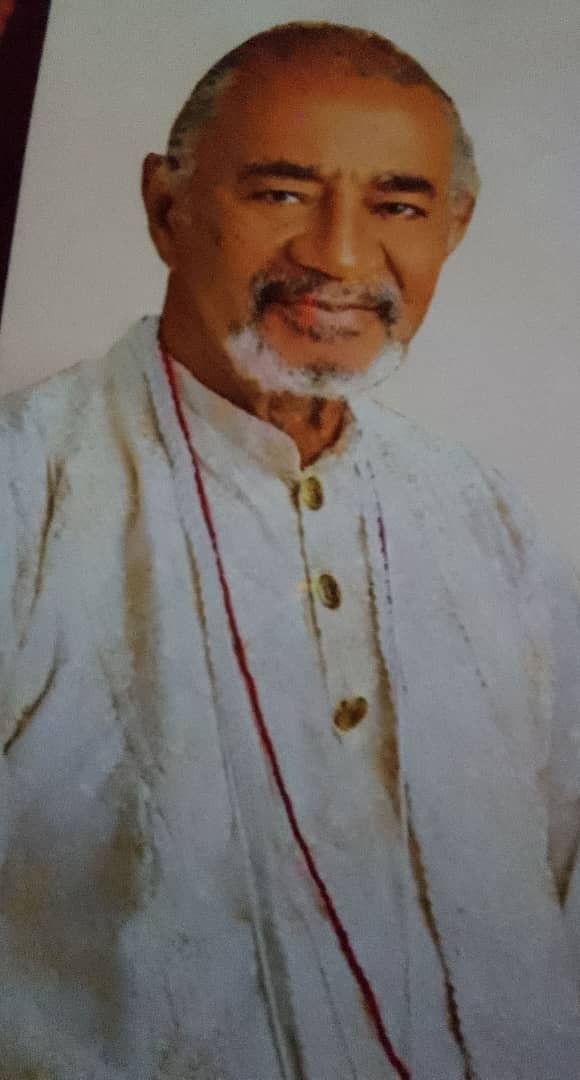
The University of Lagos has held a commendation service in honour of late Professor Josbert Thomas Kofi Duncan, celebrating his enduring contributions to medical education and cancer care in Nigeria and across West Africa.
The service, organised by the Department of Radiation Biology, Radiodiagnosis and Radiotherapy (RBRR), Faculty of Clinical Sciences, College of Medicine, University of Lagos, took place at the Old Great Hall in Idi-Araba.
Prof. Duncan, widely regarded as a pioneer of clinical radiation oncology in West Africa, was born on October 2, 1931, and died on March 10, 2026, at the age of 94.
A Trailblazer in Cancer Care
Speaking at the event, the Provost of the College of Medicine, Ademola Oremosu, described Duncan as a foundational figure in the development of radiation oncology in Nigeria.
He noted that Duncan, who trained at the University of Ibadan and later at St. Mary’s Hospital, joined the College of Medicine in the 1960s and played a pivotal role in advancing cancer treatment in the country.
According to Oremosu, Duncan introduced advanced medical technologies at the time, including the Cobalt-60 machine, significantly improving both cancer treatment and clinical training.
“As a college, we remember him as the pioneer who established radiation oncology in both the college and the teaching hospital. His legacy remains evident in the progress recorded in cancer treatment today,” he said.
Mentor and Medical Icon
The Vice-Chancellor of UNILAG, Folasade Ogunsola, represented by the Deputy Vice-Chancellor (Development Services), Afolabi Lesi, described Duncan as a pioneer, mentor, and respected figure in oncology.
“He was one of the early specialists in cancer treatment in Nigeria and West Africa. Beyond his professional accomplishments, he was humble and committed to mentoring younger doctors,” she said.
A senior lecturer at the college, Omolola Salako, who trained under the late professor, recalled his influence as both a teacher and clinician.
“He was not only an expert in oncology but also taught resilience, humanity, and respect. He ensured every patient felt valued, regardless of their condition,” she said.
Salako added that Duncan played a foundational role in shaping cancer care initiatives, including her involvement in Shebekli Cancer Care.
Tributes from Family and Colleagues
Family members described the late professor as a supportive and principled man who encouraged his children to pursue their passions.
His daughter, Mrs. Erejuwa Gbadebo, said he created an environment where every child felt valued.
“My father supported us in all our endeavours. He was a man who lived fully and without grudges,” she said.
His son, Mr. Eyimofe Duncan, noted that his father’s impact extended far beyond his immediate family, describing him as a key figure in Nigeria’s medical history.
Also speaking, one of his first postgraduate students, Oladapo Babatunde, highlighted Duncan’s lifelong commitment to mentorship.
“He was disciplined, caring, and deeply invested in our progress. Even after retirement, he continued to guide and encourage us,” he said.
The commendation service drew colleagues, students, and family members, all united in celebrating the life and legacy of a man widely credited with laying the groundwork for modern cancer treatment in Nigeria.
For many in attendance, Prof. Duncan’s legacy is not only preserved in institutions and systems—but in the generations of medical professionals he trained and inspired