Stakeholders Push Food System Reform, Nutrition Security at 2026 Nestlé for Good Summit
Abiodun Jimoh
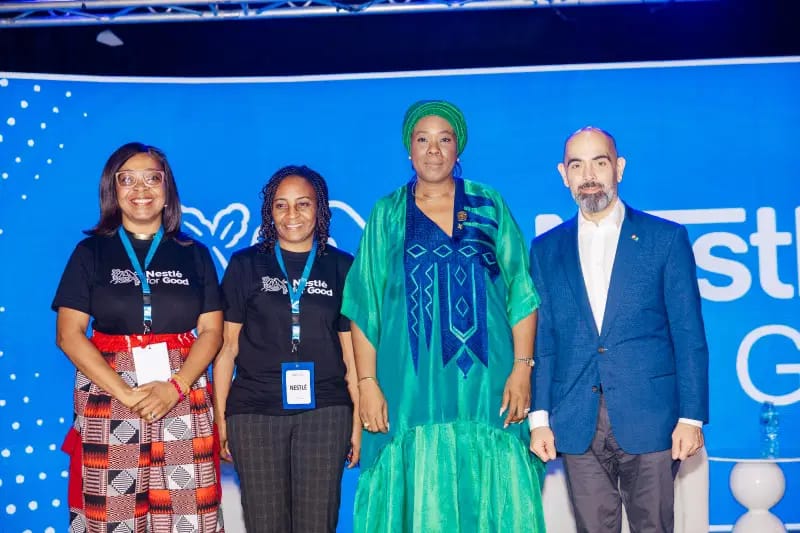
Stakeholders from government, healthcare, academia, civil society, development organisations, and the private sector on Thursday gathered in Lagos for the 2026 Nestlé for Good Summit, where discussions centred on nutrition security, sustainable food systems, and inclusive economic development.
The summit, themed around improving nutrition across all life stages, shifted beyond conventional nutrition advocacy to broader conversations on food system transformation, environmental sustainability, rural livelihoods, and economic resilience.
Speaking at the event, the Managing Director of , Wassim Elhusseini, said the company remains committed to improving quality of life through responsible food production and long-term social impact initiatives.
According to him, Nestlé’s operations in Nigeria extend beyond manufacturing to include investments in nutrition education, rural development, women empowerment, youth upskilling, regenerative agriculture, and environmental sustainability.
“Eliminating nutrition gaps requires more than food production alone. It depends on strong systems involving sourcing, distribution, storage, affordability, and access,” he said.
Elhusseini noted that the company’s “Nestlé for Good” initiative reflects its commitment to creating shared value for communities through nutrition-focused programmes and sustainable development efforts.
Delivering a keynote address on behalf of Lagos State Governor Babajide Sanwo-Olu, the Commissioner for Commerce, Cooperatives, Trade and Investment, Mrs. Folashade Ambrose-Medebem, described nutrition as a critical driver of public health, productivity, and economic growth.
She said Lagos State is implementing policies aimed at strengthening food distribution systems, improving market access, supporting local production, and encouraging private sector participation in the food and nutrition value chain.
The commissioner disclosed that Lagos contributes over 60 percent of Nigeria’s non-oil exports and is developing what she described as the largest food logistics and security hub in Sub-Saharan Africa. The project, located within the Lekki corridor, is expected to feature a major cold-chain system to improve food storage and distribution efficiency.
Ambrose-Medebem also highlighted state-backed programmes designed to support small businesses and food entrepreneurs, including low-interest financing schemes for cooperatives and SMEs operating within the food processing and agro-allied sectors.
According to her, the Lagos State Industrial Policy 2025–2030 is focused on repositioning the state as a manufacturing and industrial hub through infrastructure upgrades, innovation support, and stronger public-private collaboration.
Panel discussions at the summit focused on “Nutrition Across the Life Stages: Closing Nutrition Gaps Through a Coordinated Approach,” with experts emphasising the need for stronger collaboration among governments, healthcare professionals, businesses, and development institutions to tackle malnutrition and improve food accessibility.
Participants agreed that sustainable nutrition outcomes will depend on coordinated investments in agriculture, healthcare, logistics, manufacturing, and education to ensure nutritious food remains affordable and accessible to all Nigerians.