By NIyi Jacobs
The National Agency for Food and Drug Administration and Control (NAFDAC) has joined African food regulators in Cairo, Egypt, to strengthen continental cooperation and promote safer, more resilient food systems.
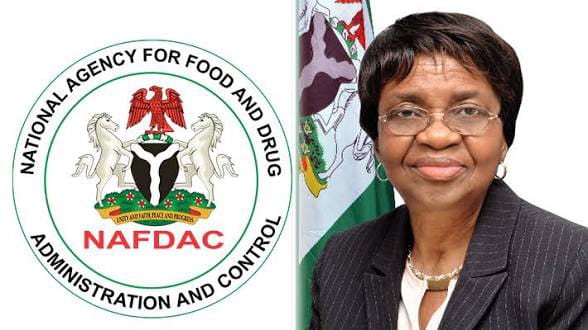
NAFDAC Director-General, Professor Mojisola Christianah Adeyeye, FAS, led a five-member Nigerian delegation to the Third African Food Regulatory Authorities Forum (AFRAF), held from September 30 to October 2, 2026.
Hosted by Egypt’s National Food Safety Authority in partnership with Africa’s Regional Economic Communities, food regulatory authorities and the United Nations Industrial Development Organisation (UNIDO), the forum was organised by the Global Food Regulatory Science Society (GFoRSS) under the theme, “Advancing Africa’s Integrated Food Regulatory Future.”
The meeting brought together heads of food regulatory agencies, Regional Economic Communities, Codex contact points, development partners and private-sector stakeholders to discuss sanitary and phytosanitary coordination, risk-based regulation, laboratory capacity, food innovation, risk analysis and Codex engagement.
Speaking at the opening, Adeyeye said food safety challenges could no longer be addressed by countries working in isolation, given the growing risks posed by food fraud, climate change, technological developments and expanding intra-African trade.
“Regulators must move beyond working alongside one another to working with one another,” she said, pledging NAFDAC’s support for practical initiatives to strengthen food regulatory systems across Africa.
NAFDAC also presented Nigeria’s shift towards risk-based regulation, preventive measures such as Good Manufacturing Practices and HACCP, stronger surveillance, traceability and product recall systems.
The Agency highlighted digital platforms, including NAPAMS, PIDCARMS and LIMS, as well as its preparedness to tackle emerging threats such as climate-related food risks, food fraud and antimicrobial resistance.
Adeyeye called for science-based and transparent regulatory systems backed by stronger laboratories, skilled personnel, digital technology and effective information sharing.
She reaffirmed Nigeria’s commitment to sharing its expertise and working with African regulators, the African Union Commission and development partners to advance regulatory cooperation and facilitate safe intra-African trade.