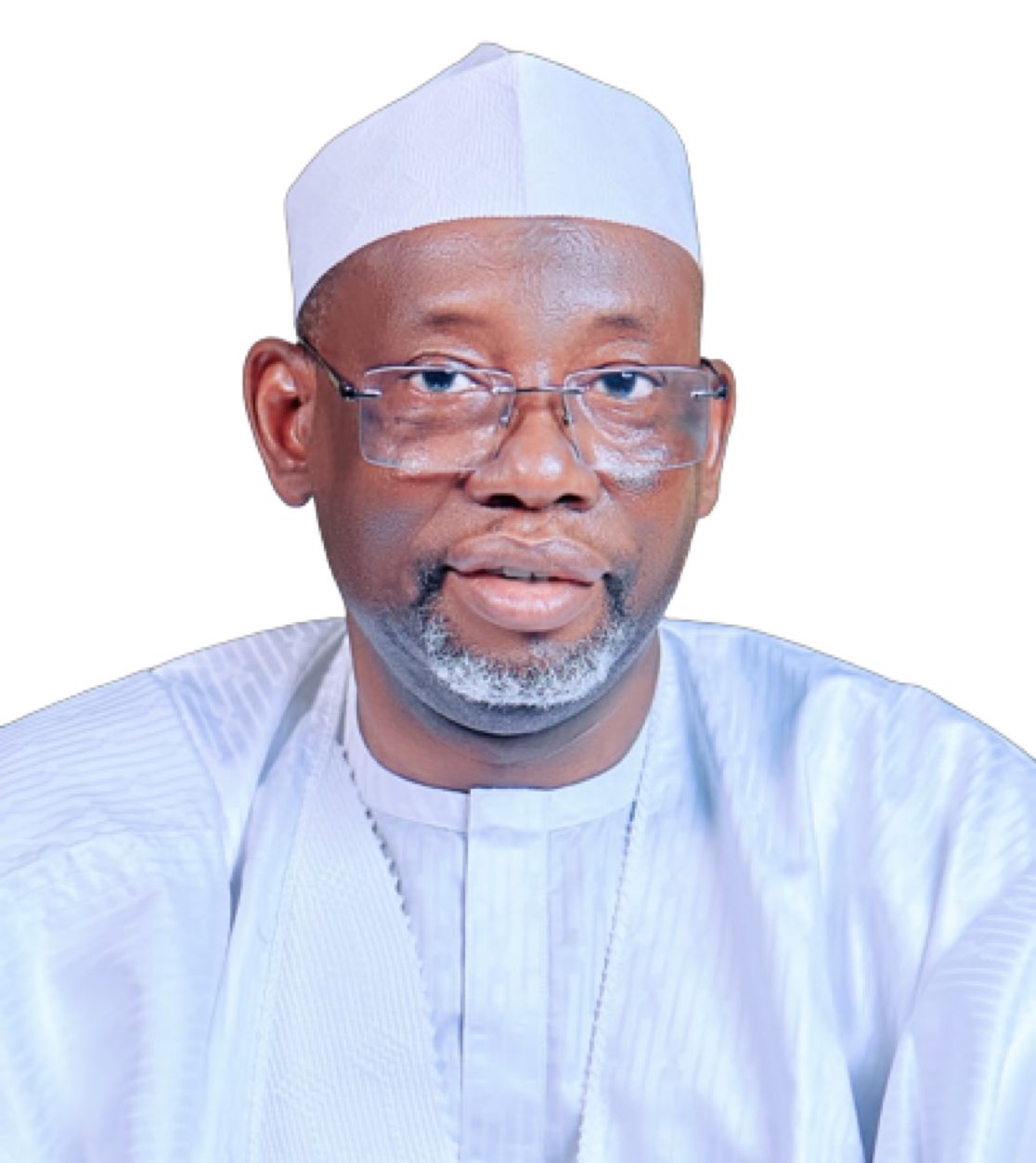
The Jigawa State Government has constituted a reconciliation committee aimed at mending internal political rifts within the state’s ruling structure, as early manoeuvring ahead of the 2027 general elections begins to intensify.
The move reportedly follows behind-the-scenes political engagements involving Vice President Kashim Shettima, who is said to have encouraged Governor Umar Namadi to engage in reconciliation efforts with former Governor Mohammed Badaru Abubakar.
While official confirmation of the directive has not been publicly detailed, the development is being interpreted within political circles as part of broader efforts to stabilise party cohesion in the state ahead of the next election cycle.
The formation of the committee comes at a time of increasing political activity in Jigawa, with reports indicating a wave of defections involving some supporters of the former governor moving from the All Progressives Congress (APC) to the African Democratic Congress (ADC).
The situation has heightened political sensitivity within the state, as stakeholders assess the potential impact of shifting alliances on the ruling party’s strength going into 2027.
The newly established reconciliation committee is expected to engage key political actors across factions, with a mandate to reduce tensions, rebuild trust, and reinforce party unity ahead of the election season.
Political observers note that such early realignments are not unusual in Nigeria’s pre-election cycles, where internal disagreements, succession politics, and strategic positioning often begin years before formal campaigns commence.
However, the emergence of defections at this stage has added urgency to reconciliation efforts, particularly as parties seek to maintain cohesion and prevent further fragmentation of their support base.
While details of the committee’s composition and timeline have not yet been fully disclosed, the initiative signals a clear recognition of the need to manage internal divisions before they escalate into broader electoral challenges.
As the 2027 political season gradually takes shape, attention is expected to remain on how effectively parties manage internal disputes and retain key political stakeholders across the country.